
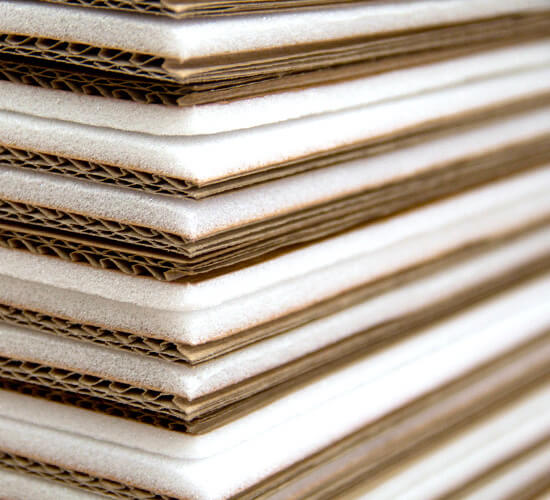
Protective foam has a logistics problem: it's 95–98% air. A container of foam from Asia is a container of mostly nothing, priced like freight. That's why foam has always been a regional product — and why the sourcing question isn't "domestic or overseas" but "which side of which border."
The arithmetic of shipping air
Ocean freight killed the overseas option for foam long before tariffs did: dimensional weight dominates, lead times run 8–12 weeks, and a design revision means another container on the water. US converters solve the freight problem but carry US cost structures. A border plant solves both — Mexican production economics, one-day freight to Southern California, and USMCA duty-free entry for qualifying goods.
What nearshore foam looks like in practice
- Quotes in USD, engineering in English, production 25 minutes from the San Diego crossing
- Samples in days, not ocean transits — critical while a pack design is still moving
- Blanket orders released weekly or monthly instead of container-sized buys
- Freight measured in hours to SoCal distribution, days to the rest of the US
The Baja double play
The same geography serves manufacturers on both sides: Baja California hosts 600+ maquiladoras — the largest medical-device manufacturing hub in North America plus major electronics and aerospace operations — and every one of them consumes protective foam that shouldn't cross a border twice. A Tijuana plant supplies the Baja line in-country and the US customer duty-free, from one set of tooling and one approved part number.
IPS has run this model for over a decade. If your foam line items currently ride three layers of distribution — or an ocean — the quoting tool prices your parts factory-direct in about two minutes.