
Corner protectors are the highest-volume item in protective foam — every furniture plant, appliance line, glass shop, and moving-supply catalog burns through them. They're also commonly over- or under-specified, because three simple dimensions do all the work: leg width, wall thickness, and length.
The three dimensions that matter
- Leg width (A × B): how much of each face the protector covers. 2" × 2" handles most furniture and appliances; go wider when straps or clamps bear on the corner.
- Wall thickness: the cushion depth. 1" is the industry standard — it's the wall our IPS-CR catalog series is built on. Step up for heavy or high-value edges.
- Length: cut to the edge, or run full-perimeter sets for panels and doors.
Material: PE unless you have a reason
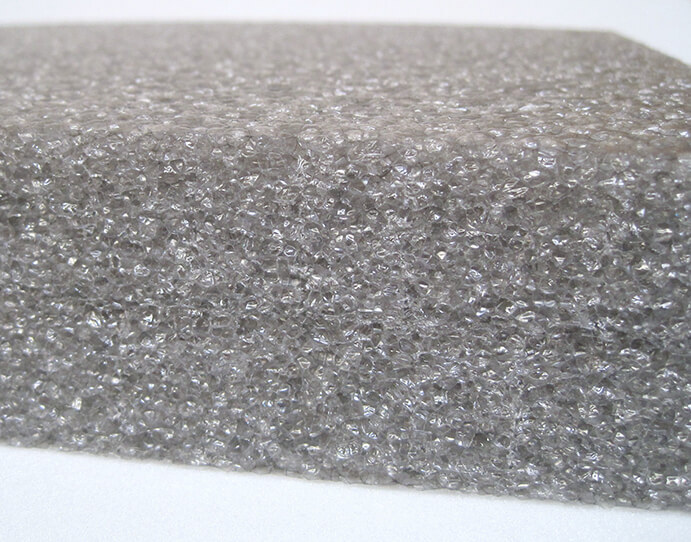
Closed-cell polyethylene recovers from repeated strikes, shrugs off moisture, and grips without marking. Recycled PE (RPE) drops cost 15–25% for industrial duty where color doesn't matter. EPS corner blocks make sense only for big one-way shipments where stacking rigidity beats resilience.
Where the price per piece comes from
Corner protectors are priced by foam volume and run quantity. The L-profile's volume rises with leg width, wall, and length — and the per-piece price falls sharply with quantity, because extrusion setup is fixed. Moving from 100 to 1,000 pieces typically cuts per-piece cost by a third; distributor case and pallet programs go lower still.
Buying factory-direct across the border
Most US buyers get corner boards through two or three layers of distribution. Buying from the plant — ours is 25 minutes from the San Diego crossing, and USMCA keeps qualifying foam duty-free — resets that math, especially at recurring volumes. Our quoting tool prices any corner spec instantly and generates the exact IPS part number for reorders.