
Industry solutions
Automotive & Aerospace Foam Packaging
Machined parts, castings, and subassemblies get expensive when they touch each other. Automotive and aerospace suppliers run on foam dunnage: cavity inserts and separators that fixture every part in a returnable container, trip after trip.
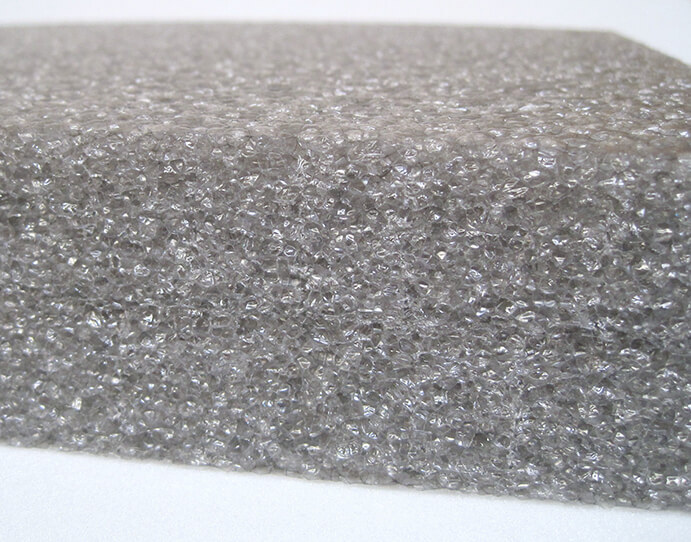
IPS engineers dunnage around your part geometry and container spec — closed-cell PE for durability across hundreds of loops, XLPE where a class-A or machined surface can't tolerate abrasion, EPE where cost per trip rules. Baja's automotive and aerospace corridor is minutes away, and US plants are one border crossing from our dock.
Foam applications
- Returnable-container dunnage sets for machined parts
- Cavity inserts fixturing subassemblies in totes
- Class-A surface protection (XLPE) for painted and polished parts
- Interleaving pads between stamped and machined parts
- End caps and edge protection for extrusions and profiles
- Kitting foam for service parts and line-side sequencing
Technical specifications
| Typical materials | PE for multi-loop durability; XLPE for class-A surfaces; EPE for economical interleaving |
| Cutting | CNC wire cutting for cavity dunnage; die-cutting for high-volume pads and separators |
| Durability | Closed-cell PE holds shape across repeated container loops |
| Engineering | Dunnage designed from part CAD or physical samples; validation samples before production |
| Programs | Blanket orders with scheduled releases; part-number reorders |
| Logistics | Cross-border capable — supplying plants on both sides daily |
Example applications
Machined-housing dunnage
CNC-cut PE cavity set holding 12 aluminum housings per tote layer — parts arrive at the customer without a single contact mark.
Class-A trim protection
XLPE separators for painted trim components, non-abrasive faces keeping finished surfaces flawless through sequencing.
Extrusion end caps
PE end caps and U-channel runs protecting aluminum extrusions from fork and strap damage in bundled shipment.
Frequently asked questions
Can you design dunnage from our part CAD?
Yes — send STEP or drawings and we design the cavity layout, cut samples on CNC (no tooling), and iterate until your quality team signs off. Then production runs against the approved part number.
How many loops does PE dunnage survive?
Closed-cell PE is the standard for returnable programs precisely because it recovers from compression and resists tearing — properly designed dunnage typically lasts the life of the container program.
What about parts with painted or machined surfaces?
That's where cross-linked PE earns its premium: a fine, non-abrasive cell structure that won't mar class-A paint, polished aluminum, or sealing surfaces.
Do you handle cross-border logistics?
Daily. We're 25 minutes from the San Diego crossing and supply plants on both sides — USMCA keeps qualifying shipments duty-free.